


Saint Oronzo in Turi: three centuries of devotion between cave, visions and living history

In the heart of Apulia, in the town of Turi, devotion to Saint Oronzo is rooted in a story where faith, history and collective identity intertwine. It is a cult that originates in a cave, crosses centuries, and still today shapes the spiritual character of the community.
1726: the apparition in the grotto
In the spring of 1726, according to documented tradition, Saint Oronzo appeared to Friar Tommaso da Carbonara, a Reformed Franciscan friar who truly existed and was well regarded within the convent of the Reformed Friars in Turi. He was not a marginal visionary, but a respected religious figure fully integrated into the life of the community. This credibility proved decisive in rooting the event firmly in collective memory.
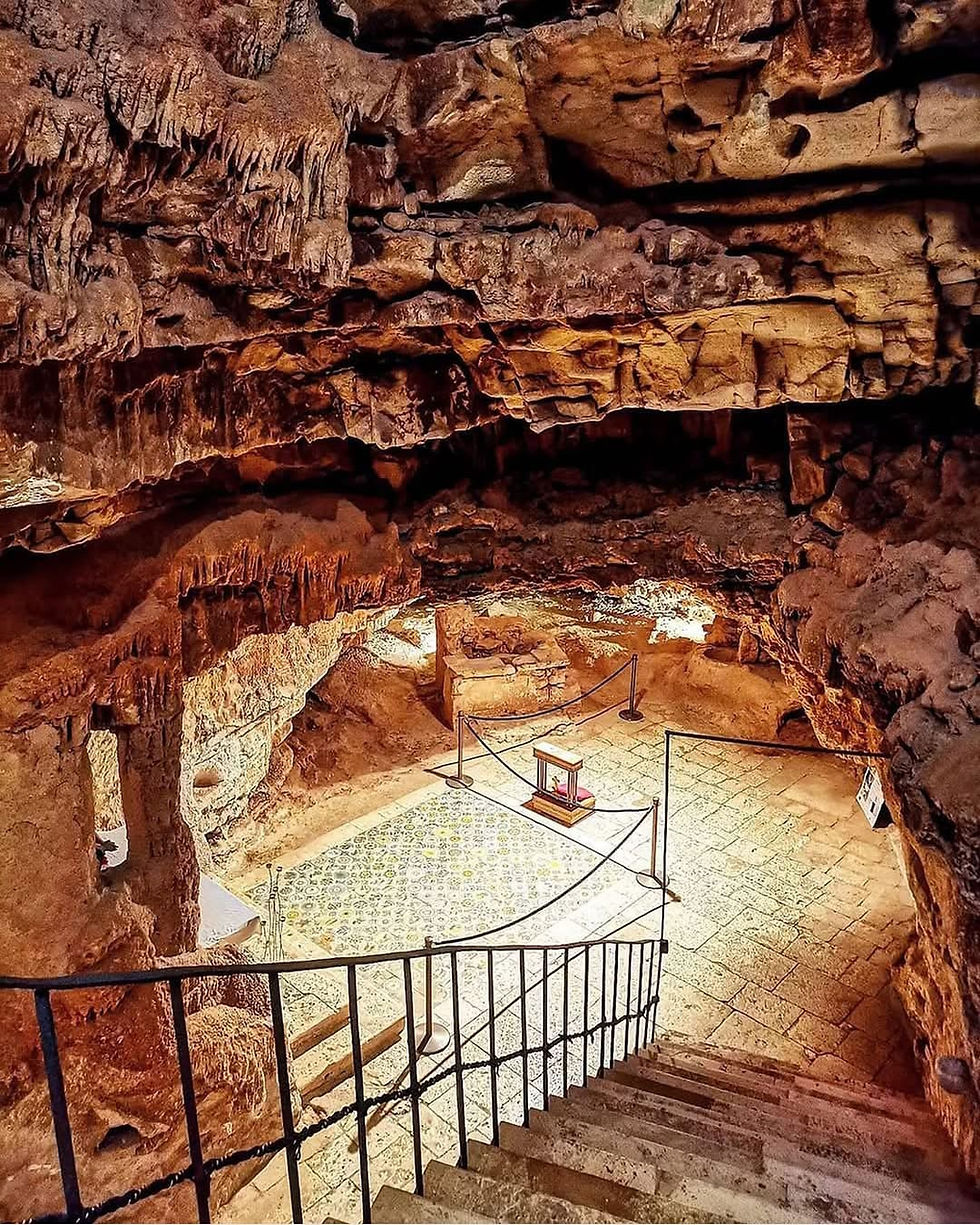
The grotto – rough, wild and narrow – suddenly became a sacred place. Here the Saint asked to be honoured, promised protection, and urged the people not to forget. From this moment began a slow yet irreversible process: the transformation of an uncertain cult into a structured and shared devotion.

The “Distinta Relazione” of 1757
A decisive step came in 1757 with the drafting of the Distinta Relazione sulla Grotta del glorioso martire Sant’Oronzo, a fundamental document in Turi’s religious history. Written by three canons of the Collegiate Church – Agostino Gonnella, Antonio Dalena and Francesco Capogrosso – the text gathers oral traditions, miraculous events, apparitions and testimonies, fixing them into an official narrative.
It recounts the fears of a population marked by famine, epidemics and earthquakes, as well as the spiritual renewal embodied by Saint Oronzo as protector and martyr. The grotto became a destination for pilgrims, access structures were built, and a liturgy gradually took shape.

From the grotto to the church
Between 1727 and 1731, a skylight, a monumental staircase and finally the Church of Saint Oronzo were constructed above the grotto. The church was not conceived as a simple place of worship, but as a tangible sign of a promise fulfilled and protection acknowledged. Architecture, devotion and memory merged into a single sacred complex.
As the cult expanded, it surpassed the ancient patronage of Saint John the Baptist and established itself as a defining spiritual and identity reference for Turi and the surrounding territories.
Popular devotion and twentieth-century tensions

The story did not end in the eighteenth century. Between 1917 and 1921, devotion to Saint Oronzo entered a troubled phase through the figure of Oronzo De Carolis, known as “core de Criste”. Claims of visions, nocturnal pilgrimages and fervent expectations of miraculous signs drew growing concern from both ecclesiastical and civil authorities.
Investigations, pastoral warnings and the suppression of superstitious practices marked a delicate period. Historian Lia Daddato later interpreted these events as a reflection of the social tensions and collective anxiety of the post-war years. From that season remains the stele of the “penitents” in the cemetery of Turi, a silent reminder of the fragile boundary between authentic faith and devotional excess.
A living devotion
Today, devotion to Saint Oronzo in Turi is measured, conscious and deeply rooted in history, yet no less alive. Each year, on 3 May, the Feast of the Apparition renews the bond between past and present, memory and identity.
An intangible heritage that makes Turi an essential destination for those seeking the most authentic Apulia, where places speak, and history is not merely told, but experienced.
Credits
Testo e ricerca storica: Giovanni Lerede
Fonti storiche principali:– Distinta Relazione sulla Grotta del glorioso martire Sant’Oronzo (1757)– Archivio della Chiesa Madre di Turi– Archivio di Stato di Napoli – Chartularium della Serafica Riforma di San Niccolò– Lia Daddato, studi pubblicati su Utriculus e Il Paese– Registri capitolari e documenti settecenteschi della Collegiata di Turi
Crediti fotografici:
Materiale d’archivio storico e iconografico ( Angelica DeTomaso )
Pubblicazione di riferimento:Il Paese, n. 332 – agosto 2025
Comments